E-2 Visa Consular Processing: DS-160 and Interview
By Daniel AydınHead of LegalTech, Plansera AI
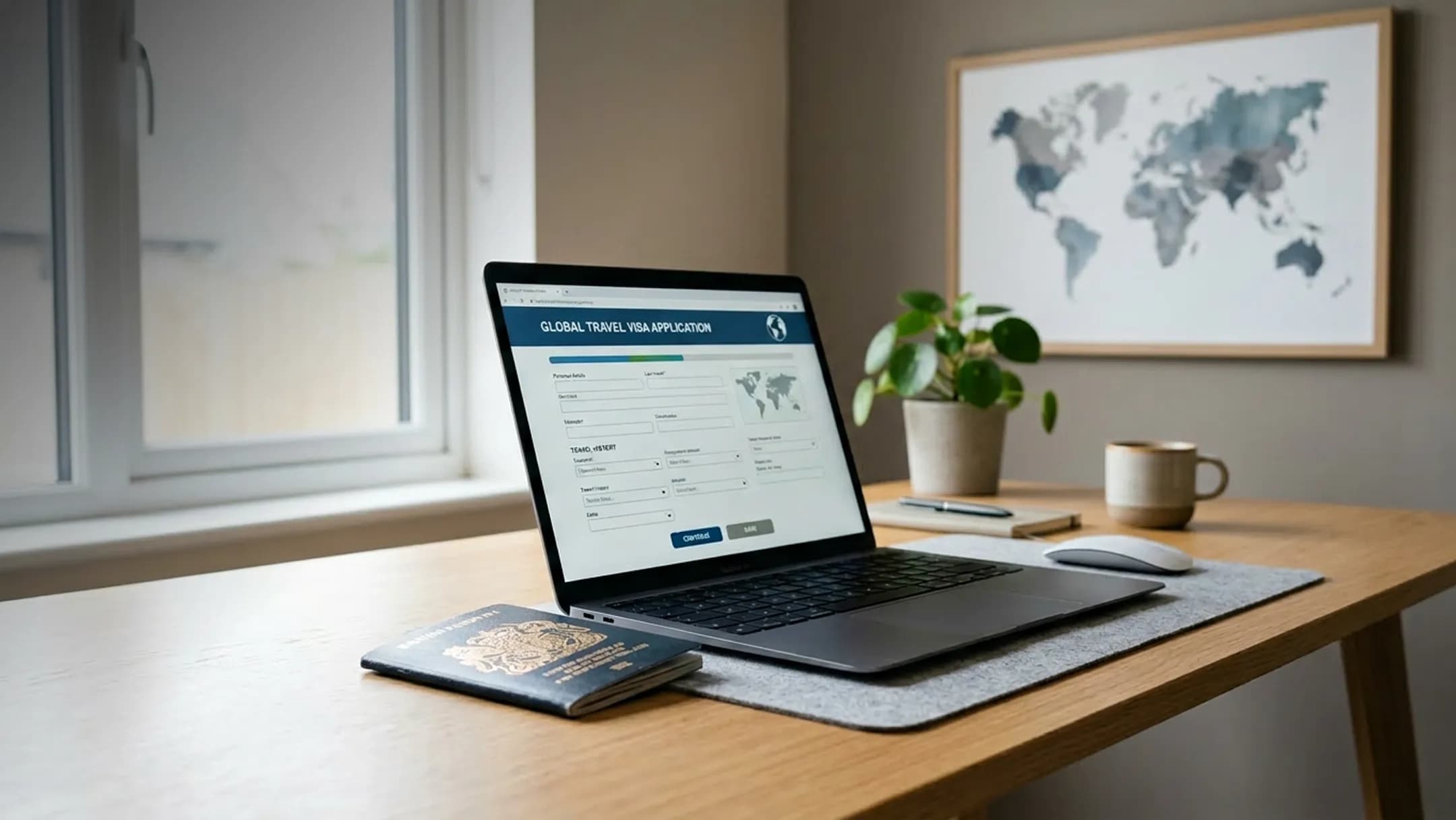
E-2 visa consular processing involves completing the DS-160 online application, gathering supporting documents, and attending an interview at a U.S. embassy or consulate. The interview assesses your intent to depart the U.S. after the investment and the legitimacy of your business.
Securing an E-2 Treaty Investor visa involves a critical phase of consular processing, where your application is reviewed and adjudicated by a U.S. embassy or consulate abroad. This process culminates in an interview, a pivotal step where consular officers assess your eligibility based on the submitted documentation and your personal presentation. Understanding the intricacies of the DS-160 online application and preparing thoroughly for the interview are paramount to a successful E-2 visa application.
The E-2 visa is designed for nationals of treaty countries who wish to invest a substantial amount of capital in a U.S. enterprise. Unlike immigrant visas, the E-2 is a non-immigrant visa, meaning applicants must demonstrate a clear intent to depart the United States upon completion of their investment activities. Consular officers are tasked with verifying that the applicant meets all statutory and regulatory requirements, including the bona fide nature of the business and the investor's principal role.
This guide will walk you through the essential steps of E-2 visa consular processing. We will examine the details of completing the DS-160 form accurately, the types of supporting documents typically required, and strategies for effectively preparing for and understanding the consular interview. By understanding these components, you can approach the process with greater confidence and increase your chances of a favorable outcome.
Understanding the E-2 Visa Consular Process
The E-2 visa consular process is the primary pathway for foreign investors from treaty countries to obtain their visa stamp in their passport, allowing them to travel to the U.S. to manage their substantial investment. This process is managed by the U.S. Department of State through its network of embassies and consulates worldwide. It is distinct from the process of applying for an immigrant visa or seeking a change of status within the United States.
The core of consular processing involves demonstrating to the consular officer that you meet all the eligibility requirements outlined in the Immigration and Nationality Act (INA) and its implementing regulations. This includes proving that you are a national of a treaty country, that you have made or are actively in the process of making a substantial investment in a qualifying U.S. business, that the business is real and operating, that your investment is at risk, and that you will be developing and directing the enterprise. Crucially, you must also demonstrate your intention to depart the U.S. when your E-2 status expires.
While the general framework is consistent, specific procedural details and document requirements can vary slightly between different U.S. embassies and consulates. It is always advisable to consult the website of the specific U.S. embassy or consulate where you will be applying for the most up-to-date information regarding appointment scheduling, required forms, and any local variations in the process.
Completing the DS-160: The Online Visa Application
The DS-160, Online Nonimmigrant Visa Application, is the cornerstone of the E-2 visa consular processing. This comprehensive form collects detailed information about the applicant, their background, travel history, and the purpose of their U.S. visit. Accuracy and completeness are non-negotiable, as any inconsistencies or omissions can lead to delays or denials.
Key sections of the DS-160 include personal information, passport details, previous U.S. travel, family information, education and work history, and specific questions related to the visa category being applied for. For the E-2 visa, you will need to provide details about your investment, including the nature of the business, the amount invested, and your role in its management. It is essential to answer all questions truthfully and to the best of your ability. Misrepresentation or fraud can result in permanent ineligibility for U.S. visas.
Before starting the DS-160, gather all necessary documents, including your passport, digital photograph meeting U.S. visa photo requirements, and any supporting information about your investment. You will need to upload a digital photograph during the application process. It is also recommended to have details of previous U.S. visa applications, if any, readily available. Once submitted, you will receive a confirmation page with a barcode, which is essential for scheduling your interview and for your interview appointment.
Many applicants find it beneficial to have an immigration attorney assist with the DS-160, especially given the detailed nature of the questions and the critical importance of accuracy for an E-2 visa. While Plansera AI can assist in generating a USCIS-grade business plan, the DS-160 requires personal and specific details that an attorney can help manage to ensure consistency with the overall E-2 application strategy.
Required Documentation for E-2 Consular Processing
Beyond the completed DS-160, a comprehensive package of supporting documents is required to substantiate your E-2 visa application. These documents are crucial for the consular officer to verify that all E-2 eligibility criteria are met. While the exact list can vary by consulate, the following are generally considered essential:
1. Proof of Nationality: A valid passport from a treaty country.
2. Investment Evidence: Documentation demonstrating the substantial investment. This includes:
- Business plan: A detailed plan outlining the business's operations, market analysis, financial projections, and organizational structure. A well-crafted plan, such as those generated by Plansera AI, is vital for demonstrating the viability and potential of the enterprise. It should align with the investor's role and the scale of the investment. - Evidence of funds: Bank statements, loan agreements, stock certificates, or other documents showing the source and transfer of investment funds. - Transaction records: Proof of purchase of the business, such as sales agreements, deeds, or lease agreements. - Business registration documents: Articles of incorporation, business licenses, and tax identification numbers. - Financial statements: Recent balance sheets, income statements, and cash flow statements for the business. - Evidence of operational status: Contracts, invoices, marketing materials, and proof of employees (if applicable). 3. Investor's Role: Documentation proving the applicant will be developing and directing the enterprise, such as company bylaws, organizational charts, and employment contracts demonstrating managerial or executive responsibilities. 4. Intent to Depart: While not a separate document, evidence of ties to your home country (property ownership, family, business interests) can implicitly support your non-immigrant intent. Consular officers assess this through the interview and application details. 5. DS-160 Confirmation Page and Appointment Letter: Proof of DS-160 submission and confirmation of your interview appointment.
- Valid passport from a treaty country.
- Detailed business plan demonstrating viability and investor's role.
- Proof of substantial, irrevocably committed investment funds.
- Evidence of business ownership and operational status.
- Documentation of the investor's managerial or executive control.
- DS-160 confirmation page and interview appointment letter.
Preparing for the E-2 Visa Interview
The E-2 visa interview is a critical component of the consular processing. It is the opportunity for the consular officer to assess your qualifications firsthand, clarify any ambiguities in your application, and gauge your intentions. Thorough preparation can significantly enhance your confidence and performance during the interview.
Understand the Purpose: The consular officer's primary goal is to determine if you meet all E-2 visa requirements, particularly the substantiality of your investment, the bona fide nature of the business, your role in its direction and operation, and your intent to depart the U.S. upon the conclusion of your investment activities. They are looking for evidence that you are a genuine investor contributing to the U.S. economy.
Know Your Business Inside and Out: Be prepared to discuss every aspect of your U.S. enterprise. This includes its market, competitors, operational strategy, financial performance, and future growth plans. You should be able to articulate the business's unique selling propositions and how your investment contributes to its success. Familiarity with your business plan is essential.
Practice Your Responses: While you should not memorize answers, practicing articulating your responses to common E-2 interview questions can be very helpful. This includes questions about your background, your reasons for investing in the U.S., the source of your funds, your role in the business, and your ties to your home country. Aim for clear, concise, and truthful answers. Role-playing with an immigration attorney or colleagues can be beneficial.
Common E-2 Interview Questions and How to Approach Them
Consular officers often ask questions designed to probe the core requirements of the E-2 visa. Anticipating these questions and preparing thoughtful responses is key.
Questions about the Investment: 'How much have you invested?', 'Where did the funds come from?', 'Is the money yours or borrowed?', 'What is the total value of the business?' - Approach: Be precise with figures and provide documentation that supports your claims. Clearly explain the source of funds and demonstrate that the investment is substantial and at your own risk.
Questions about the Business: 'What does your business do?', 'Who are your customers?', 'Who are your competitors?', 'What are your projected revenues?', 'How many employees do you have?' - Approach: Demonstrate a deep understanding of the business operations, market position, and financial projections. Refer to your business plan and supporting financial documents. Highlight job creation if applicable, as this is a positive factor for E-2 eligibility. - A robust business plan is crucial here, providing the framework for answering these questions coherently. Questions about Your Role: 'What is your specific role in the business?', 'What are your daily responsibilities?', 'How will you direct the business?', 'What is your experience in this industry?' - Approach: Clearly articulate your executive or managerial responsibilities. Showcase relevant experience and qualifications that demonstrate your capacity to develop and direct the enterprise. Questions about Intent to Depart: 'Do you own property in your home country?', 'Does your family live in your home country?', 'Will you seek permanent residency in the U.S.?' - Approach: Honestly address your ties to your home country and reaffirm your understanding that the E-2 is a non-immigrant visa. While demonstrating strong ties is helpful, the primary focus is on the investment and your role. Avoid any statements that suggest an intent to immigrate permanently.
The Interview Day: What to Expect
The day of your E-2 visa interview can be nerve-wracking, but understanding the process can help alleviate anxiety. Consular interviews are typically brief, often lasting only a few minutes. The officer will review your documents and ask a series of questions based on your application and their assessment of your eligibility.
Arrival and Security: Arrive at the embassy or consulate at the designated time, typically no earlier than 15-30 minutes before your appointment. Be prepared for security screening, similar to airport security. Leave electronic devices, large bags, and prohibited items at your hotel or with a trusted contact.
The Interview: You will be called to a window or a designated interview room. A consular officer, often a consular associate or officer, will conduct the interview. They will likely speak in English, though some consulates may have officers available who speak your native language. Bring all your original supporting documents, organized and easily accessible, along with copies.
Officer's Decision: After the interview, the consular officer will inform you of their decision. - Approved: If approved, the officer will typically keep your passport to place the E-2 visa stamp inside. You will be informed of how and when your passport will be returned, usually via courier service. - Refused: If refused, the officer will explain the reason for the refusal, often citing a specific section of the INA. You may be given a refusal letter and instructions on how to address the deficiencies for a future application. Common refusal grounds include failure to demonstrate substantiality of investment, lack of qualifying treaty, or insufficient evidence of the investor's role. - Further Administrative Processing: In some cases, the application may require further administrative processing, which can extend the decision timeline. The officer will provide information if this is the case.
Post-Interview and Visa Issuance
Once your E-2 visa interview is successfully completed and the visa is approved, the next step is receiving your passport with the visa stamp. The timeline for this can vary depending on the specific embassy or consulate and their chosen return method.
Passport Return: Most U.S. embassies and consulates utilize a passport delivery service. After the interview, if approved, your passport is sent to a designated courier service location or directly to your address. You will typically receive instructions on how to track your passport's return. This process can take anywhere from a few days to a couple of weeks.
Visa Validity and Entry: The E-2 visa stamp in your passport will indicate its validity period. The initial period of stay granted upon entry to the U.S. is typically up to two years, with the possibility of extensions in two-year increments as long as the E-2 enterprise continues to operate and the investor maintains their status. It is crucial to enter the U.S. before the expiration date of the visa stamp.
Maintaining E-2 Status: Upon entering the U.S., you will be admitted in E-2 status. It is essential to adhere to the terms of your E-2 status, including actively managing your qualifying business and complying with U.S. laws. Any changes to your business or personal circumstances that may affect your eligibility should be carefully considered and potentially discussed with an immigration attorney. Remember, the E-2 is a non-immigrant status, and maintaining the intent to depart is fundamental.
Key takeaways
- The E-2 visa consular process requires meticulous completion of the DS-160 online application.
- Gather comprehensive documentation proving investment, business viability, and your managerial role.
- Thoroughly prepare for the interview by understanding common questions and practicing clear, truthful answers.
- Demonstrate substantiality of investment and the bona fide nature of the U.S. business.
- Consular officers assess your intent to depart the U.S. after your investment activities conclude.
- Post-approval, expect passport return with the visa stamp via courier; understand visa validity and entry requirements.
Frequently asked
- What is the difference between E-2 consular processing and applying for a change of status within the U.S.?
- E-2 consular processing involves applying for the visa at a U.S. embassy or consulate abroad, resulting in a visa stamp in your passport that allows you to travel to the U.S. Applying for a change of status (COS) is done with USCIS while already in the U.S. in a valid nonimmigrant status. While a COS can grant E-2 status, it does not provide a visa stamp, meaning you would need to go through consular processing if you depart the U.S. and wish to re-enter.
- How much money is considered 'substantial' for an E-2 visa?
- There is no fixed minimum dollar amount for an E-2 investment. 'Substantial' is determined based on the total cost of establishing or purchasing the U.S. business. The investment must be sufficient to ensure the investor's commitment and the likelihood of the business's success. Generally, the investment should be proportional to the total value of the enterprise, and for smaller businesses, it may require a significant percentage of the investment amount.
- Can I apply for an E-2 visa if my business is not yet operational?
- Yes, you can apply for an E-2 visa if you are in the process of making a substantial investment and have a binding contract to purchase a business or have established a new business. However, you must demonstrate that the funds are irrevocably committed and that the business will be operational shortly after your arrival. A solid business plan and evidence of preparatory steps are crucial in such cases.
- What happens if my E-2 visa interview is denied?
- If your E-2 visa interview is denied, the consular officer will provide a reason for the refusal, typically citing a specific section of U.S. immigration law (e.g., INA 214(b) for lack of non-immigrant intent, or specific E-2 requirements). You may be given a refusal letter with instructions on how to address the deficiencies. Depending on the reason for denial, you may be able to reapply after correcting the issues or providing additional evidence. Consulting with an immigration attorney is highly recommended after a denial.
- How long does E-2 visa consular processing typically take?
- The timeline for E-2 consular processing can vary significantly depending on the U.S. embassy or consulate, the applicant's nationality, and the complexity of the case. It can range from a few weeks to several months from the interview date to receiving the passport with the visa stamp. It's advisable to check the specific wait times for interview appointments and processing at the U.S. embassy or consulate where you plan to apply.
- Do I need a U.S. business plan for the E-2 visa interview?
- Yes, a comprehensive and well-researched U.S. business plan is almost always a critical document for E-2 visa consular processing. It demonstrates the viability of your investment, outlines your strategic direction, and shows how you will develop and manage the enterprise. Consular officers rely heavily on the business plan to assess the substantiality and nature of your investment.
Educational information, not legal advice. This guide is for general educational purposes only and is not legal advice. Plansera AI is not a law firm and does not provide legal representation. E-2 eligibility is fact-specific and the rules change — verify against current primary sources (9 FAM 402.9, 8 CFR 214.2(e), and USCIS) and consult a licensed U.S. immigration attorney before relying on any of it or filing.
Draft an E-2 plan that proves it
Plansera turns your client’s documents into an evidence-grounded, eligibility-checked E-2 business plan.
Start a plan