E-2 Visa Interview: What to Expect and How to Prepare
By Daniel AydınHead of LegalTech, Plansera AI
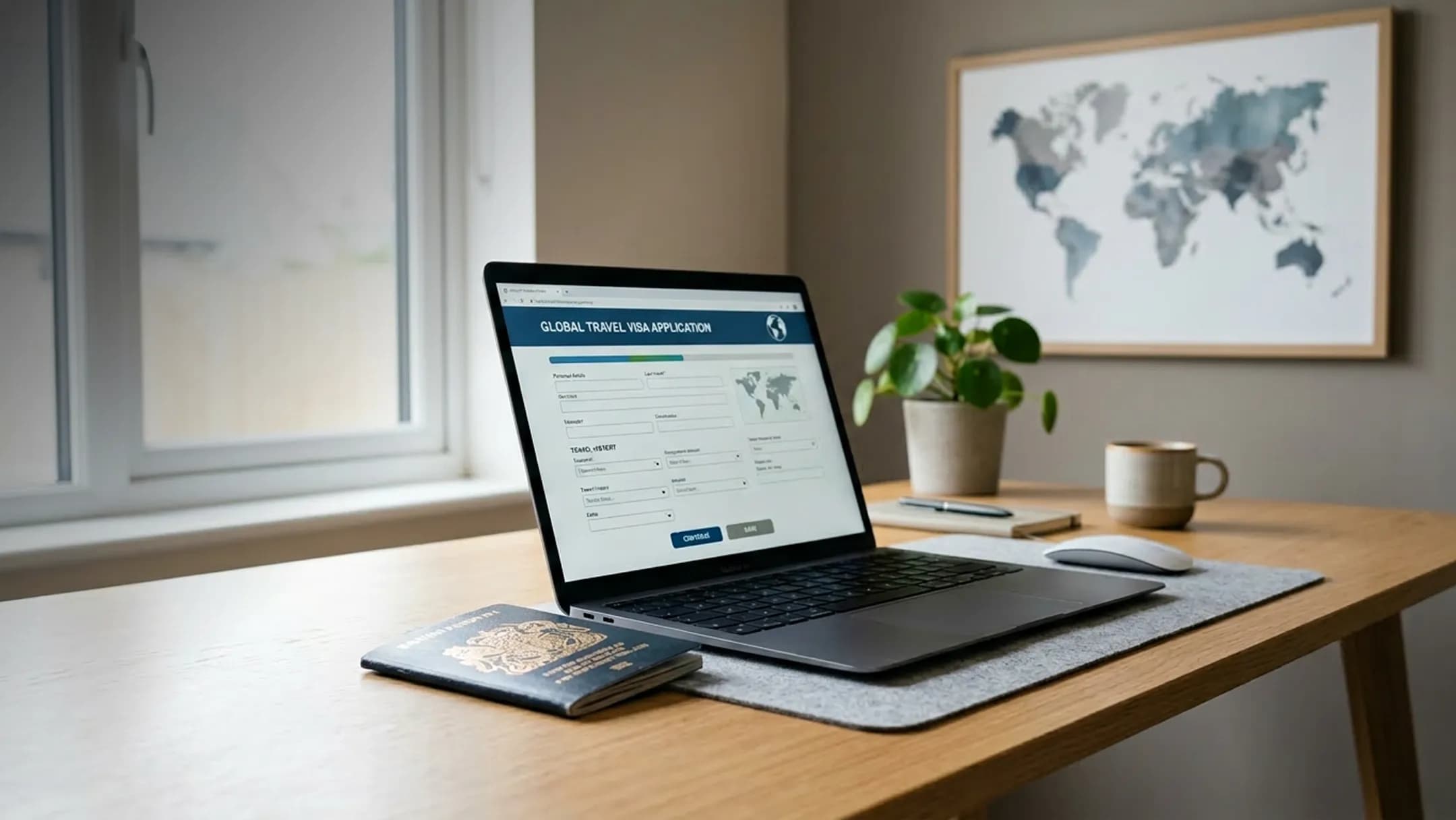
The E-2 visa interview is a crucial step where consular officers assess your investment's legitimacy and your intent to develop and direct the U.S. enterprise. Be prepared to present your business plan, financial documents, and answer questions about your investment, business operations, and ties to your home country.
The E-2 Treaty Investor visa allows foreign nationals to invest a substantial amount of capital in a U.S. business and reside in the U.S. to develop and direct that enterprise. While the application process involves extensive documentation, the visa interview at the U.S. embassy or consulate is a critical juncture where the consular officer makes the final determination.
This interview is not merely a formality; it's an opportunity for the consular officer to verify the information provided in your application, assess the bona fides of your investment, and confirm your intentions. Understanding what to expect and how to prepare can significantly increase your chances of a successful outcome. This guide examines the intricacies of the E-2 visa interview, covering common questions, essential documentation, and strategic advice.
Understanding the E-2 visa process requires meticulous attention to detail, from crafting a compelling business plan to presenting your case effectively during the interview. This article aims to demystify the interview process, empowering you with the knowledge to approach it with confidence and clarity. Remember, while this information is educational, consulting with an experienced immigration attorney is always recommended for personalized guidance.
Understanding the Purpose of the E-2 Visa Interview
The E-2 visa interview serves as the primary mechanism for U.S. consular officers to adjudicate your eligibility. The core purpose is to determine if you meet the requirements outlined in the Immigration and Nationality Act (INA) and relevant regulations, specifically 8 CFR 214.2(e) and the guidance found in the 9 Foreign Affairs Manual (9 FAM 402.9). Consular officers are tasked with verifying several key aspects of your application.
Firstly, they must confirm that you are a national of a treaty country with the United States. This is a foundational requirement for E-2 eligibility. Secondly, they assess the nature and amount of your investment. The investment must be substantial, irrevocably committed, and placed in a real, operating commercial enterprise. The officer will scrutinize whether the funds are sufficient to ensure the successful operation of the business and whether the investor has demonstrated entrepreneurial intent.
Thirdly, the interview is crucial for establishing that the business is a 'bona fide' enterprise, meaning it is actively engaged in commerce or trade and is not a sham or speculative venture. The officer will look for evidence of existing operations, a clear business model, and a demonstrated market need. Finally, the officer must be convinced that you will be coming to the U.S. to 'develop and direct' the enterprise. This involves demonstrating your managerial or executive capacity and your intention to actively manage the business, not just passively hold an investment.
The interview allows the officer to clarify any ambiguities in the submitted documentation and to gauge the applicant's understanding of and commitment to the U.S. business. It's an opportunity for the applicant to present their case directly and answer specific questions that might arise from their application package.
Key Documents to Bring to Your E-2 Visa Interview
While your E-2 visa application package is submitted prior to the interview, it is essential to bring originals and copies of key documents. The consular officer may request to see specific items to corroborate your application or clarify points during the interview. Having these readily accessible demonstrates preparedness and seriousness.
The most critical document is your comprehensive business plan. This should not only detail your business strategy, market analysis, and financial projections but also clearly articulate your role in developing and directing the enterprise. Ensure your plan is realistic and aligns with the investment amount. If using a service like Plansera AI, ensure the generated plan is thoroughly reviewed and customized by your immigration attorney.
Financial documentation is paramount. This includes proof of the investment funds (e.g., bank statements, loan agreements, sales receipts for assets), evidence of the funds being irrevocably committed (e.g., escrow agreements, purchase contracts), and financial statements for the U.S. business (e.g., balance sheets, income statements, tax returns if applicable). You should also bring personal financial documents that demonstrate your ability to make the investment.
Additionally, bring documentation proving your ownership and control of the business (e.g., stock certificates, corporate records), evidence of your nationality (passport), and any relevant professional licenses or qualifications. If you have prior E-2 visas or related immigration documents, bringing those can also be helpful. A detailed list of required documents will be provided by the consulate, but it's wise to over-prepare.
Common E-2 Visa Interview Questions and How to Answer Them
Consular officers are trained to ask questions designed to elicit information about the core E-2 visa requirements. While the specific questions can vary, they generally fall into several categories. Anticipating these questions and preparing thoughtful, honest answers is key to a successful interview.
Questions about your Investment: Expect inquiries such as 'How much have you invested?', 'Where did the investment funds come from?', 'How are the funds committed to the business?', and 'What is the current value of your investment?'. Be prepared to provide precise figures and trace the source of your funds, supported by the financial documents you bring. Emphasize that the funds are at risk.
Questions about the Business: Officers will ask about the nature of the business ('What does your business do?'), its operational status ('Is the business currently operating?'), its financial health ('What are the business's revenues and profits?'), and its future prospects ('What are your plans for developing the business?'). You should be able to explain your business model clearly and confidently, demonstrating its legitimacy and potential for growth. Discussing job creation for U.S. workers is also important.
Questions about Your Role: Key questions here include 'What is your role in the business?', 'What are your responsibilities?', and 'How much time will you spend managing the business?'. You need to clearly articulate your managerial or executive capacity and your intention to actively direct the enterprise. Highlight your experience and qualifications relevant to your role. If you are an E-2 employee, the questions will focus more on your specific skills and the essential nature of your role within the U.S. enterprise, as well as your nationality and employer's E-2 status. Non-immigrant intent questions might also arise: 'Do you intend to immigrate to the U.S.?' You must answer truthfully, emphasizing your intent to develop and direct the business under the E-2 visa terms, which is a non-immigrant visa, while acknowledging the possibility of future adjustments if laws permit.
Demonstrating Entrepreneurial and Managerial Capacity
A crucial aspect of the E-2 visa is demonstrating that you will be 'developing and directing' the U.S. enterprise. This means the consular officer needs to see evidence of your significant operational control and managerial or executive responsibilities. Your answers should highlight your authority, your strategic decision-making capabilities, and your hands-on involvement in the business's growth.
Be prepared to discuss specific examples of how you have managed teams, overseen operations, made key financial decisions, or developed business strategies in the past. If you are acquiring an existing business, explain how you plan to improve or expand it. If you are starting a new venture, articulate a clear vision for its development and your pivotal role in achieving it. Your business plan should clearly outline your position and duties, and your interview responses must align with this.
Addressing Concerns About Non-Immigrant Intent
The E-2 visa is a non-immigrant visa, meaning applicants must demonstrate that they do not intend to abandon their residence abroad and that their primary purpose in coming to the U.S. is to develop and direct the treaty enterprise. While the E-2 allows for extensions and does not have a fixed maximum stay, the initial intent must be non-immigrant.
Be ready to discuss your ties to your home country, such as family, property, business interests, and social connections. Explain how you plan to maintain these ties. It is important to be truthful about your intentions. While the E-2 visa offers significant flexibility, expressing a clear intent to immigrate permanently during the interview could jeopardize your application. Focus on your commitment to the U.S. business and your role within it.
The Consular Interview Process: Step-by-Step
The E-2 visa interview process, while varying slightly by consulate, generally follows a predictable structure. Understanding these steps can help alleviate anxiety and ensure you are prepared for each stage.
1. Arrival and Security Screening: Arrive at the U.S. embassy or consulate at least 15-30 minutes prior to your scheduled appointment. You will undergo a security screening similar to airport security. Leave prohibited items like electronic devices (unless specifically permitted for your interview), large bags, and weapons outside.
2. Document Check-in: Upon entering the waiting area, you will typically check in with a consular staff member. They will verify your appointment and may collect your passport and application forms. You will likely be given a number or directed to a waiting area.
3. Waiting Period: The waiting time can vary significantly depending on the consulate's workload and the time of day. Be patient and use this time to review your documents and mentally prepare. Some consulates may have initial document screenings or fingerprinting during this phase before the main interview with the consular officer.
- 4. The Interview with the Consular Officer: You will be called to a window or an interview room. A consular officer, who may be a U.S. diplomat or a locally hired consular staff member, will conduct the interview. Be polite, make eye contact, and answer questions directly and honestly.
- 5. Document Presentation: The officer may ask to see specific documents you have brought. Have them organized and readily accessible. Respond promptly to any requests.
- 6. Decision Notification: At the end of the interview, the consular officer will usually inform you of their decision. If approved, they will explain the next steps, typically involving passport retention for visa issuance. If further information is required, they may place you in 'Administrative Processing' or request additional documents. If denied, they will provide a reason for the denial, often citing a specific section of the INA or FAM.
Post-Interview: What Happens Next?
The outcome of your E-2 visa interview dictates the next steps. Understanding these possibilities will help you manage expectations and plan accordingly.
Approval: If your E-2 visa is approved, the consular officer will typically keep your passport to affix the visa. You will be informed about how and when your passport will be returned, usually via courier service or pick-up at a designated location. Once you receive your passport with the E-2 visa, you can prepare for your travel to the United States. Remember that the visa stamp allows you entry, but admission into the U.S. is determined by Customs and Border Protection (CBP) at the port of entry.
Administrative Processing: In some cases, the consular officer may need additional time to review your application or conduct further background checks. This is known as 'Administrative Processing.' If your case is placed under administrative processing, you will be informed, and the consulate will provide an estimated timeframe, although these can sometimes be lengthy and unpredictable. It is crucial to maintain communication with the consulate or your attorney regarding the status.
Denial: If your E-2 visa application is denied, the consular officer will provide a reason for the denial. Common reasons include failing to demonstrate substantial investment, lack of entrepreneurial intent, insufficient ties to the home country, or issues with the business's bona fides. Depending on the reason for denial, you may be able to reapply after addressing the deficiencies. Consulting with an immigration attorney is highly recommended to understand your options following a denial.
Tips for a Successful E-2 Visa Interview
Success in the E-2 visa interview hinges on thorough preparation, clear communication, and a genuine presentation of your investment and intentions. Here are several tips to help you manage the process confidently:
Know Your Business Inside and Out: Be intimately familiar with every aspect of your U.S. enterprise. Understand its operations, finances, market position, and future development plans. Your ability to discuss these details confidently reassures the officer of your commitment and capability.
Practice Your Answers: Rehearse your responses to common questions, but avoid sounding overly rehearsed or robotic. Focus on delivering clear, concise, and honest answers. Practice with your attorney or colleagues.
Dress Professionally: While not a strict requirement, dressing in business attire shows respect for the process and demonstrates the seriousness with which you regard the opportunity. It projects an image of competence and professionalism, aligning with the image of a successful business owner or executive.
- Be Honest and Direct: Never provide false information or misrepresent facts. Honesty is crucial, and any inconsistencies can lead to denial. Answer the question asked directly and avoid volunteering unnecessary information.
- Maintain a Positive and Confident Demeanor: Projecting confidence and enthusiasm about your business venture can be beneficial. Be polite, respectful, and maintain eye contact with the consular officer.
- Understand the 'Substantiality' Requirement: Be prepared to explain why your investment is considered 'substantial' in the context of the specific business. This is not just about a dollar amount but also about its adequacy to ensure the successful operation of the enterprise.
- Highlight U.S. Job Creation: If your business is creating or has the potential to create jobs for U.S. workers, be ready to discuss this. It’s a positive factor often considered by consular officers.
- Be Prepared for Follow-up Questions: Consular officers may ask probing questions to clarify details or examine deeper into specific areas. Remain calm and provide further explanation as needed, referencing your supporting documents.
Key takeaways
- The E-2 visa interview is your primary opportunity to demonstrate a genuine, substantial investment and your intent to develop and direct the U.S. business to a consular officer.
- Thoroughly prepare by understanding the core E-2 requirements (treaty country nationality, substantial investment, bona fide enterprise, development and direction, non-immigrant intent) and practicing answers to likely questions.
- Bring originals and copies of all critical documents, including your business plan, financial records proving investment source and commitment, and evidence of business operations and your role.
- Be prepared to answer detailed questions about your investment, the business's operations and finances, your specific responsibilities, and your ties to your home country.
- Maintain a professional demeanor, answer honestly and directly, and clearly articulate how your investment meets the E-2 criteria, including its substantiality and potential for U.S. job creation.
Frequently asked
- How long is the E-2 visa interview usually?
- The actual interview with the consular officer is typically quite brief, often lasting only 5-15 minutes. However, the entire process at the consulate, including waiting times, security checks, and potential preliminary screenings, can take several hours.
- What happens if the consular officer needs more information after the interview?
- If the consular officer requires additional information or documentation, they may place your case under 'Administrative Processing.' They will inform you of this and provide instructions on how to submit the requested items or what the next steps will be. This process can sometimes extend the waiting period significantly.
- Can I bring my spouse and children to the E-2 visa interview?
- Your spouse and dependent children included in your E-2 visa application should attend the interview with you. They will also be interviewed, though their questions are often shorter and focus on their relationship to you and their understanding of the intended stay in the U.S.
- What is considered a 'substantial' investment for the E-2 visa?
- There is no fixed minimum dollar amount for an E-2 investment. 'Substantiality' is determined by a "proportionality test": the investment must be substantial in relation to the total cost of establishing or purchasing the U.S. business. The funds must also be sufficient to ensure the successful operation of the enterprise. The Department of State evaluates this on a case-by-case basis, considering the nature of the business and its overall value.
- Can I work on my E-2 visa while my application is pending?
- No, you cannot work in the U.S. based on a pending E-2 visa application. The E-2 visa must be approved and issued by the consular post before you can travel to the U.S. and begin working for the treaty enterprise. The visa allows for entry and employment, but only after issuance.
- What are the most common reasons for an E-2 visa denial?
- Common reasons for E-2 visa denial include failing to demonstrate that the investment is substantial, the business is not a bona fide enterprise, the applicant will not be developing and directing the business, insufficient ties to the home country indicating non-immigrant intent, or the funds invested were not legitimately owned and controlled by the applicant.
Educational information, not legal advice. This guide is for general educational purposes only and is not legal advice. Plansera AI is not a law firm and does not provide legal representation. E-2 eligibility is fact-specific and the rules change — verify against current primary sources (9 FAM 402.9, 8 CFR 214.2(e), and USCIS) and consult a licensed U.S. immigration attorney before relying on any of it or filing.
Draft an E-2 plan that proves it
Plansera turns your client’s documents into an evidence-grounded, eligibility-checked E-2 business plan.
Start a plan